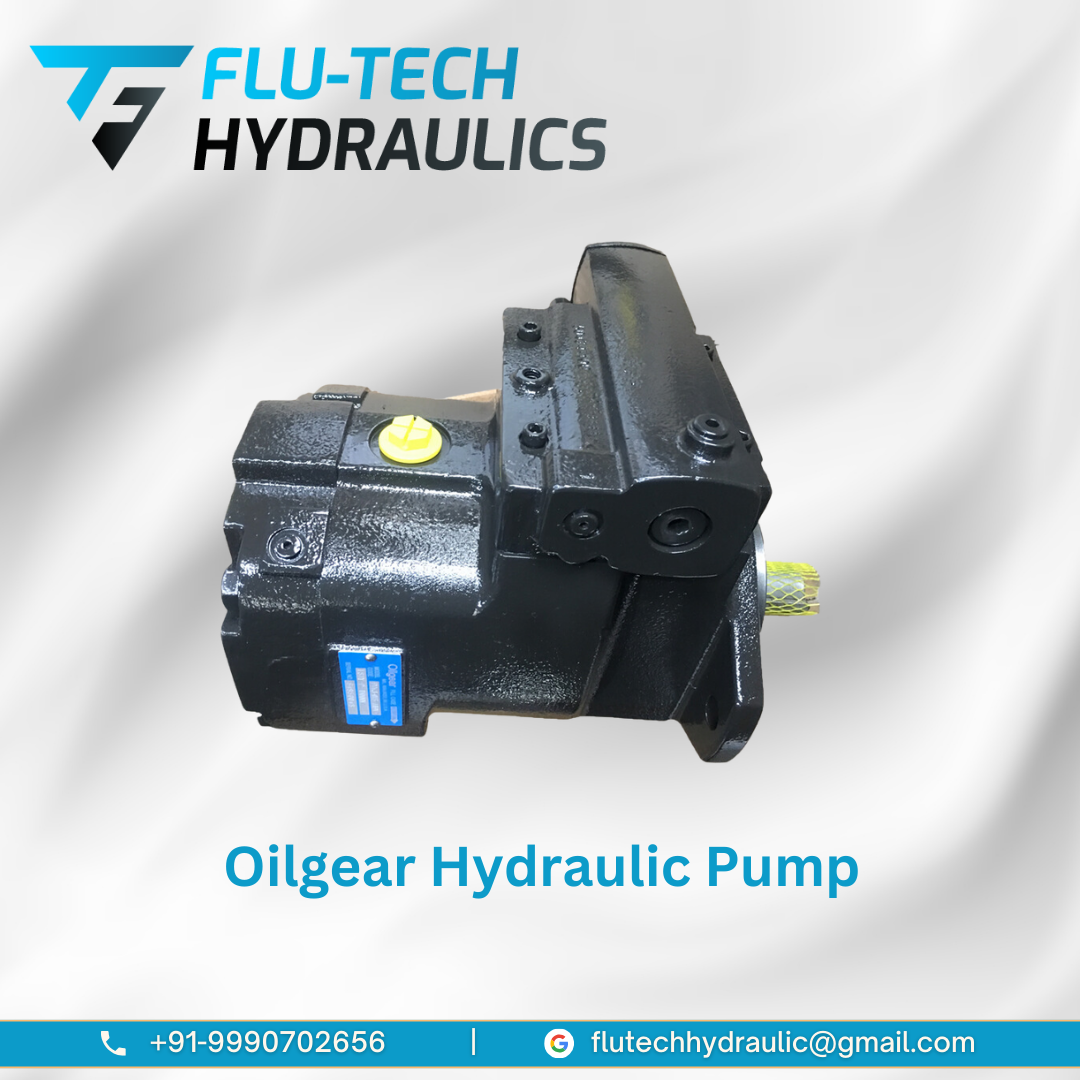
Oilgear Hydraulic Pump

One essential aspect of maintenance is oiling hydraulic pumps. In this comprehensive guide, we'll walk you through the process of oiling an Oilgear hydraulic pump efficiently and effectively.

What is a Oilgear Hydraulic Pump

Oilgear Hydraulic Pumps are high-performance devices designed to generate fluid flow within hydraulic systems. They play a pivotal role in converting mechanical power into hydraulic energy, facilitating the smooth operation of machinery in numerous sectors. These pumps are renowned for their robust construction, efficiency, and reliability, making them indispensable in applications requiring precise fluid control and immense power.

How to Benefit from Oilgear Hydraulic Pump?

Understanding Oilgear Hydraulic Pump : Oilgear hydraulic pumps are sophisticated devices designed to convert mechanical power into hydraulic energy, facilitating fluid flow within hydraulic systems. These pumps utilize precision engineering and advanced technologies to deliver consistent performance across diverse applications.

Unparalleled Performance and Efficiency : Oilgear hydraulic pumps boast exceptional performance metrics, including high flow rates, precise control, and minimal energy wastage, ensuring optimal operational efficiency. Their robust construction and innovative design contribute to reduced downtime and enhanced productivity.

Versatile Applications : The versatility of Oilgear hydraulic pumps enables their deployment across a wide array of industries and applications, including manufacturing, construction, aerospace, and marine sectors. From heavy-duty machinery to intricate hydraulic systems, Oilgear pumps deliver reliable performance in diverse environments.

Optimizing Hydraulic Systems with Oilgear Pumps : Maximizing the benefits of Oilgear hydraulic pumps involves strategic optimization of hydraulic systems. This entails proper maintenance, fluid management, and system calibration to ensure seamless operation and prolonged lifespan of the equipment.

Enhancing Operational Efficiency : By integrating Oilgear hydraulic pumps into hydraulic systems, operators can streamline operations, minimize energy consumption, and achieve higher levels of productivity. Fine-tuning pump settings and optimizing fluid viscosity can further enhance operational efficiency.

Leveraging Advanced Control Mechanisms : Oilgear pumps feature advanced control mechanisms such as variable displacement technology, enabling precise modulation of fluid flow and pressure. These sophisticated controls empower operators to tailor hydraulic systems according to specific requirements, optimizing performance and resource utilization.

Extending Equipment Lifespan : Regular maintenance and proper utilization of Oilgear hydraulic pumps are crucial for extending the lifespan of hydraulic equipment. Implementing preventive maintenance schedules, monitoring fluid condition, and promptly addressing issues can mitigate wear and tear, prolonging equipment longevity.

Cost-Effective Solutions : Oilgear hydraulic pumps offers long-term cost-effectiveness, thanks to their durability, reliability, and low maintenance requirements. While the initial investment may be higher than conventional pumps, the overall return on investment justifies the expenditure.

Harnessing Innovative Technologies : Oilgear continually innovates its hydraulic pump technology to meet evolving industry demands. By staying abreast of these advancements and integrating cutting-edge solutions into hydraulic systems, businesses can stay competitive and future-proof their operations.

Features

FAQS

An Oilgear hydraulic pump is a precision-engineered component designed to generate hydraulic pressure for various industrial and mobile applications. Known for its reliability and efficiency, it plays a critical role in powering hydraulic systems.

Signs of a malfunctioning Oilgear pump include unusual noises, reduced hydraulic performance, erratic operation, or visible fluid leaks. Regular performance checks can help identify issues early.

Common causes include contamination of hydraulic fluid, wear and tear of internal components, improper maintenance, or mechanical damage. Ensuring clean hydraulic fluid and routine maintenance can mitigate these issues.

Follow the manufacturer's maintenance recommendations, typically involving regular inspections and servicing at specified intervals to ensure reliable operation and longevity.

While skilled technicians may perform repairs, it is generally advisable to have a professional handle repairs to ensure accurate diagnostics and proper reassembly, preventing further damage.
call icon
whatsapp icon
whatsapp icon