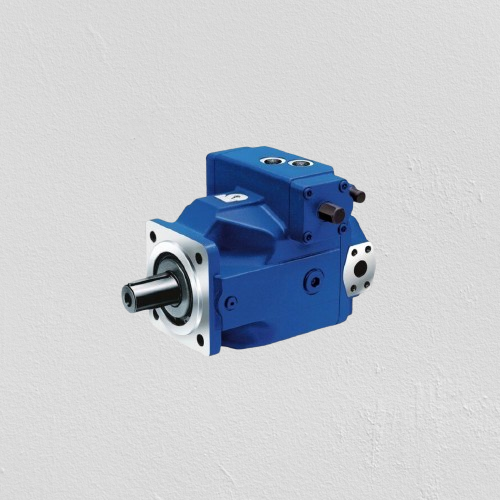
Understanding Hydraulic Piston Pumps
Hydraulic piston pumps use pistons to create a flow of hydraulic fluid, which powers various machinery and equipment. They are known for their high efficiency and ability to handle high pressures. Common problems that necessitate repair include decreased performance, leaks, and unusual noises.
Common Problems and Symptoms
Before starting the repair, it’s essential to diagnose the issues accurately:
- Reduced Performance: A noticeable decrease in pump efficiency, such as lower pressure or flow rate.
- Leaks: Hydraulic fluid leaking from the pump can indicate damaged seals or fittings.
- Unusual Noises: Grinding, whining, or banging noises may signal internal damage or wear.
- Overheating: Excessive heat can be caused by internal friction or inadequate lubrication.
Preparation for Repair
- Safety First: Ensure the hydraulic system is turned off and depressurized. Disconnect the power source and follow all safety protocols.
- Gather Tools and Parts: Prepare necessary tools such as wrenches, screwdrivers, and specialized equipment. Have replacement parts ready, including seals, gaskets, and bearings.
Step-by-Step Repair Process
1. Disassembly
- Remove the Pump: Disconnect hydraulic lines, electrical connections, and any mounting hardware. Carefully remove the pump from its location.
- Inspect the Pump: Perform a visual inspection to identify any visible signs of damage or wear.
2. Internal Inspection
- Disassemble the Pump: Open the pump casing and carefully remove internal components such as pistons, cylinders, and swash plates. Note the assembly order for reassembly.
- Inspect Components: Check pistons, cylinders, and other parts for wear, cracks, or damage. Pay special attention to seals and gaskets, which are common failure points.
3. Cleaning
- Clean Parts: Use appropriate solvents and brushes to clean all components. Remove any debris, old lubricant, and contaminants.
- Check Tolerances: Ensure all parts are within the manufacturer’s specified tolerances and clearances.
4. Reassembly
- Replace Damaged Parts: Install new seals, gaskets, and any other worn components. Ensure all parts are properly aligned and lubricated.
- Reassemble the Pump: Follow the reverse order of disassembly, making sure all components are securely fastened and correctly positioned.
5. Testing
- Reinstall the Pump: Mount the repaired pump back into its original position and reconnect all hydraulic lines and connections.
- Test Operation: Start the hydraulic system at low pressure and gradually increase to full operating conditions. Monitor for leaks, unusual noises, or performance issues.
Preventive Maintenance Tips
To prevent future issues and extend the life of your hydraulic piston pump, consider these maintenance tips:
- Regular Inspections: Periodically check the pump for signs of wear, leaks, or performance issues.
- Maintain Proper Fluid Levels: Ensure the hydraulic fluid is at the correct level and replace it as needed.
- Keep the System Clean: Avoid contaminants by keeping the pump and surrounding area clean.
- Follow Manufacturer Guidelines: Adhere to the manufacturer’s maintenance and operating recommendations.
Conclusion
Repairing a hydraulic piston pump requires a detailed approach and a thorough understanding of its components. By diagnosing problems accurately, following a structured repair process, and implementing preventive maintenance, you can ensure that your hydraulic piston pump operates efficiently and reliably.
If you encounter persistent issues or difficulties during the repair process, seeking assistance from a professional hydraulic technician is advisable. Proper care and timely repairs will help you maximize the performance and longevity of your hydraulic piston pump, keeping your hydraulic systems running smoothly.